Loading...
Serving Atascadero, CA and surrounding areas. (805) 391-5930
A deck, addition, or fence is only as solid as what holds it up. We install concrete footings in Atascadero designed for local clay soils and California's seismic requirements - so what you build above ground stays level and stable for years.
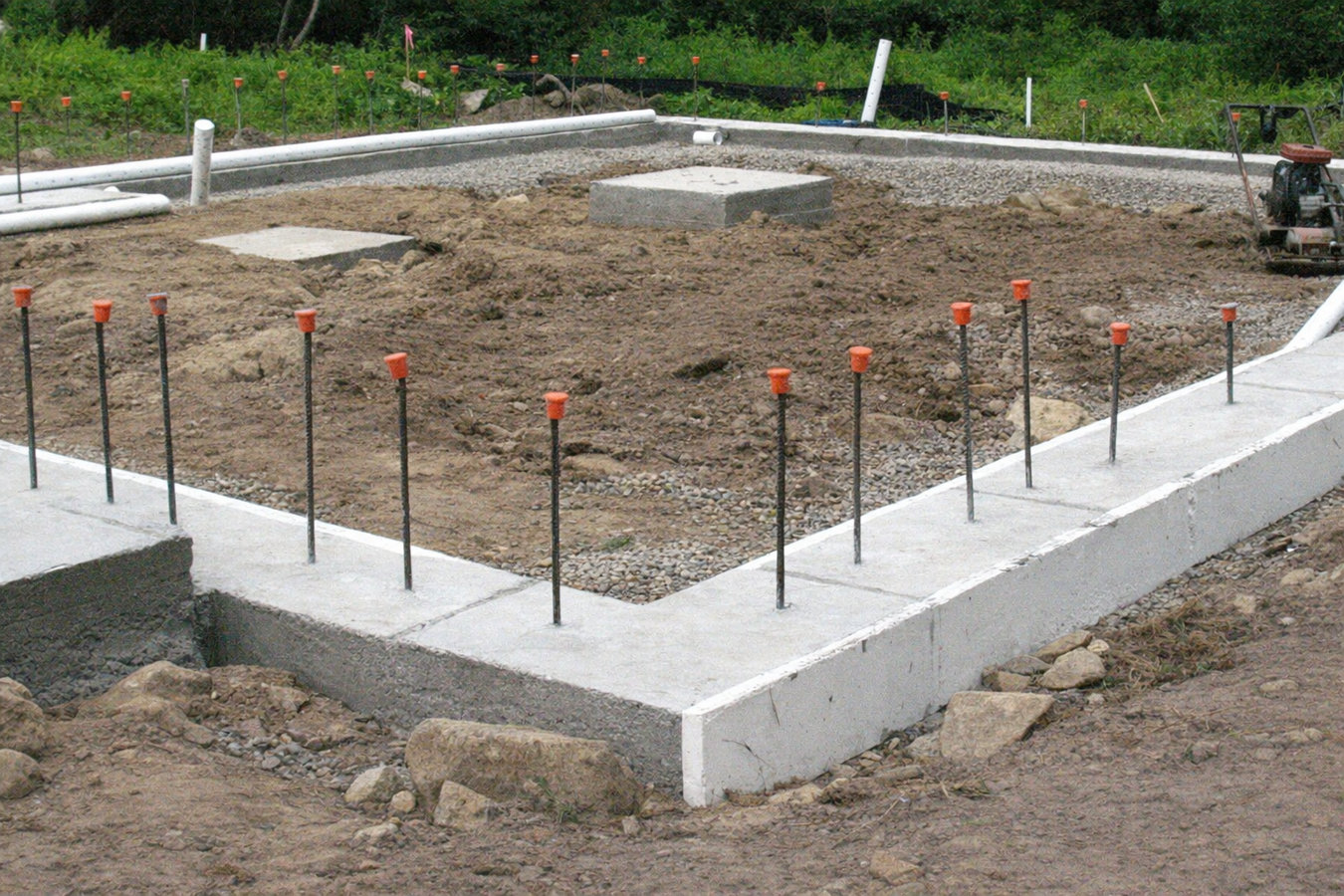
Concrete footings in Atascadero are the buried bases that hold up structures - decks, additions, retaining walls, fences, and pergolas - by spreading their weight into stable ground beneath them. A typical residential footing project involves digging to the required depth, placing steel reinforcement bars, a city inspection before any concrete is poured, and then a curing period of at least a week before anything is built on top. Most straightforward projects take one to two days of active work, with a total timeline of four to six weeks once permit processing is included.
If your home is in Atascadero and you are planning a deck, an ADU, a room addition, or any structure that goes into or onto the ground, footings are not optional. California's building code requires them, and the City of Atascadero requires a permit and inspection before any concrete is poured. Atascadero's clay-heavy soils and the county's seismic requirements mean that a footing designed for this area looks different than one built in a more forgiving location - and a contractor who does not account for those factors is one to walk away from.
For projects that go beyond individual footings and require a full structural base, our foundation installation page covers that scope in detail.
If you notice new cracks in your interior walls, exterior stucco, or concrete slab after Atascadero's rainy season, it may mean the ground beneath your home shifted and the footings did not hold steady. Small hairline cracks can be cosmetic, but cracks wider than a pencil line or ones that appear suddenly after heavy rain deserve a professional look. This is especially common in homes built on clay-heavy soil that expands and contracts with moisture.
If you walk across your deck and notice it sloping, bouncing, or pulling away from the house, the footings underneath may have shifted or deteriorated. In Atascadero's climate, wood posts sitting on undersized or shallow footings can move significantly over years of wet winters and dry summers. This is a safety issue, not just a cosmetic one.
If your home was built before the 1990s and you are planning to add onto it, the existing footings may not meet current standards for the added load or for seismic safety. California's building code has changed significantly over the decades, and what was acceptable when your home was built may not pass inspection today. A footing assessment before you start planning saves you from expensive surprises mid-project.
When the ground shifts under a home's footings, the frame of the house can rack slightly out of square - and the first place you will notice it is in doors and windows that suddenly stick, gap, or will not latch. This symptom on its own does not confirm a footing problem, but combined with visible cracks or a home older than 30 years, it is worth having someone look at what is happening below.
Our concrete footings service covers the full process from site assessment through the final permit sign-off. We visit the property before quoting, because the soil conditions and access on your specific lot are what drive the scope - not a generic depth rule applied to every project. In Atascadero, that means accounting for clay soils that require deeper digging and steel reinforcement, and for the seismic requirements that California applies to all structural footing work in San Luis Obispo County. The California Geological Survey maintains seismic hazard information for this region - see conservation.ca.gov/cgs for background. For projects that need a raised or leveled base - not just individual footings - our foundation raising service covers that specific scope.
Once the estimate is approved, we submit the permit application to the Atascadero Building Division and schedule the work around the inspection requirements. The city inspector visits before the pour to verify depth and steel placement - that inspection is your protection against buried mistakes. After the pour, we manage the curing period and coordinate the final sign-off. Keeping that permit paperwork on file matters: it is the record that protects you when you sell the home or file an insurance claim down the road.
For residential decks, pergolas, and covered patios on Atascadero properties - sized and reinforced for local soil and the load your structure will carry.
For homeowners adding livable space to an existing home - we assess whether existing footings are adequate or whether supplemental work is needed before construction begins.
For retaining walls on sloped or hillside Atascadero lots where soil pressure and drainage both need to be factored into the footing design.
For fence posts, sheds, workshops, and other structures where proper footings prevent leaning and movement over years of seasonal soil shifts.
Required for all structural footings in San Luis Obispo County - we place and tie rebar to California building code standards and welcome the city inspection before the pour.
We handle the Atascadero Building Division permit process from application through final inspection sign-off, so you have a clean, documented project record.
Much of Atascadero sits on soils with a significant clay content - ground that swells when it gets wet in winter and shrinks as it dries out in summer. That seasonal movement is what shifts footings that were not designed for it. A footing poured to generic depth standards without accounting for local soil conditions will work fine for a few years, then start causing the structure above it to settle or lean. The fix at that point is far more expensive than doing it right at the start. Homeowners in Paso Robles face similar clay soil challenges throughout San Luis Obispo County - it is a regional factor, not an isolated one, and it shapes how we approach every footing project in this area.
On top of the soil conditions, San Luis Obispo County sits in a seismically active region of California. The state building code requires footings in this area to be deeper and more heavily reinforced than in less active parts of the country - and those requirements are verified by a city inspector before a drop of concrete goes in. Atascadero also has a significant share of homes built in the 1960s through 1980s, when footing standards were less stringent than they are today. If your home falls in that era and you are planning a deck, ADU, or addition, it is worth having a contractor assess what is already under your home before assuming it can carry the new load. Homeowners in San Luis Obispo deal with the same combination of older housing stock and updated seismic standards - local experience with that context is what separates a contractor who gets it right from one who is guessing.
When you reach out, we will ask a few basic questions - what you are building, roughly where it goes, and whether you have spoken with the city yet. Then we schedule a site visit. We reply to all new inquiries within 1 business day. A contractor who quotes you without seeing the site is guessing, and that guess usually goes wrong.
For most footing projects, we submit a permit application to the City of Atascadero's Building Division before any digging starts. Permit processing times vary, so we give you a realistic timeline upfront. Do not let anyone pressure you to start work before the permit is approved - that is a contractor to avoid.
Once the permit is approved, we dig to the required depth, place the steel reinforcement bars, and call the city inspector to verify both before any concrete goes in. This inspection is your protection - it means the depth and steel placement meet the approved plan before the work is buried underground.
The concrete is poured after inspection. Plan for at least a week before anything is built on top, and longer in warm or dry weather. Once curing is complete and the final inspection passes, you receive your permit sign-off. Keep that paperwork - it matters when you sell the home.
Free written estimate. We visit the site before quoting. No obligation.
(805) 391-5930We visit every site before writing an estimate. Atascadero's clay soil varies by neighborhood, and what the ground needs under your specific structure is not something we can determine over the phone. That site visit is what keeps the scope accurate and the final invoice predictable.
San Luis Obispo County's seismic requirements are not optional, and we do not treat them that way. We design steel reinforcement to meet California building code standards and welcome the city inspection that verifies our work before the pour. The California Contractors State License Board verifies licensed contractors in this state - see cslb.ca.gov to confirm any contractor's credentials before you hire.
Navigating the City of Atascadero's Building Division permit process is not something most homeowners have done before, and it should not fall on your shoulders. We handle the application, coordinate with the inspector, and give you the final sign-off documentation to keep with your home records.
A significant share of homes in Atascadero were built in the 1960s through 1980s under standards that fall short of what is required today. If your home is in that range, we assess what is already under it before assuming it can support new work - saving you from failed inspections and expensive mid-project surprises.
Every footing project in Atascadero starts with a site visit and a written estimate that reflects your actual lot, not a generic square-footage calculation. That is how we keep the scope honest, the permit process smooth, and the finished footing solid enough to support whatever you are building above it.
Foundation raising for Atascadero homes that have settled unevenly over years of seasonal soil movement - restoring level and structural integrity without full replacement.
Learn MoreFull residential foundation installation for new construction, ADUs, and room additions in Atascadero - from excavation through city-inspected pour and curing.
Learn MorePermit season fills up fast - reach out now to lock in your start date before the spring rush.